Welcome, Parents! 👶🏼👧🏼
Keeping your baby’s bottles clean and germ-free is essential for their health and safety. But did you know that different bottle materials require different sanitization methods? This guide will walk you through the best cleaning techniques for silicone, PPSU, PP, and glass bottles! 🤖
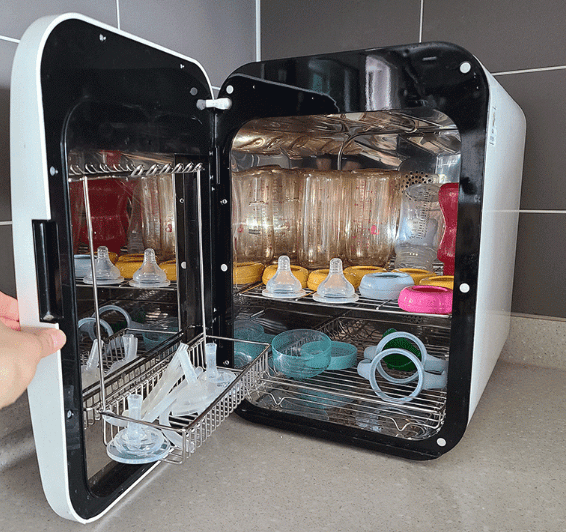
What’s Included in This Guide? 💡
- The best sanitization methods for each bottle material
- A comparison table of cleaning methods
- Tips for safe and effective sterilization
- How often you should sanitize your baby’s bottles
🚿 Why Is Proper Sanitization Important?
Newborns and infants have developing immune systems, making them more vulnerable to bacteria and germs. Regular cleaning removes milk residue, while proper sanitization kills harmful bacteria that could cause infections or stomach issues.
🧻 Sanitization Methods by Bottle Material
Each bottle material has unique properties, so it’s important to use the right cleaning and sanitization method to ensure safety and longevity.
💟 Silicone Bottles
Silicone bottles are flexible and resistant to high temperatures but require thorough drying to prevent mold.
| Method | Safe for Silicone? | Notes |
|---|---|---|
| Boiling | ✅ Yes | Can withstand high heat |
| Steam Sterilizer | ✅ Yes | Quick and effective |
| UV Sterilizer | ✅ Yes | Gentle on material |
| Bleach Solution | ❌ Avoid | Can degrade silicone over time |
Best practice: Boil or steam-sterilize, and dry completely to prevent moisture buildup.
🛁 PPSU Bottles
PPSU (Polyphenylsulfone) bottles are durable, heat-resistant, and commonly used for baby feeding.
| Method | Safe for PPSU? | Notes |
| Boiling | ✅ Yes | Can withstand high temperatures |
| Steam Sterilizer | ✅ Yes | Safe and effective |
| UV Sterilizer | ✅ Yes | No risk of material degradation |
| Bleach Solution | ❌ Avoid | May cause discoloration over time |
Best practice: Use boiling or a steam sterilizer for thorough cleaning.
🌟 PP (Polypropylene) Bottles
PP bottles are lightweight and affordable but have lower heat resistance compared to PPSU.
| Method | Safe for PP? | Notes |
| Boiling | ❌ Not recommended | Can warp or degrade the material |
| Steam Sterilizer | ✅ Yes | Quick and effective |
| UV Sterilizer | ✅ Yes | Gentle and chemical-free |
| Bleach Solution | ❌ Avoid | May leave harmful residue |
Best practice: Use a steam or UV sterilizer and replace bottles when scratches appear.
🚿 Glass Bottles
Glass bottles are durable and easy to clean but require careful handling.
| Method | Safe for Glass? | Notes |
| Boiling | ✅ Yes | Safe and effective |
| Steam Sterilizer | ✅ Yes | Works well, but handle with care |
| UV Sterilizer | ✅ Yes | No risk of degradation |
| Bleach Solution | ❌ Avoid | Not necessary |
Best practice: Boil or use a steam sterilizer for thorough cleaning.
🛠️ How Often Should You Sanitize?
- New bottles: Before first use, always sterilize.
- Daily use: Wash after every feeding, sanitize at least once a day.
- Occasional use: Sanitize before and after storing for long periods.
- If your baby is sick: Sanitize more frequently to prevent reinfection.
🌱 Eco-Friendly Sanitization Tips
- Use reusable sterilization bags instead of single-use options.
- Air-dry bottles on a clean rack instead of using paper towels.
- Choose non-toxic, baby-safe detergents for washing.
🎉 Final Thoughts
Keeping your baby’s bottles sanitized doesn’t have to be complicated! By using the right methods for each material, you can ensure your baby’s safety while extending the lifespan of their bottles. Happy feeding! 🍼😊
Got any questions or tips of your own? Drop them in the comments! 👇



 BabyCare Hub
댓글 남기기